


admin
Administrators
-
Joined
-
Last visited
Everything posted by admin
-
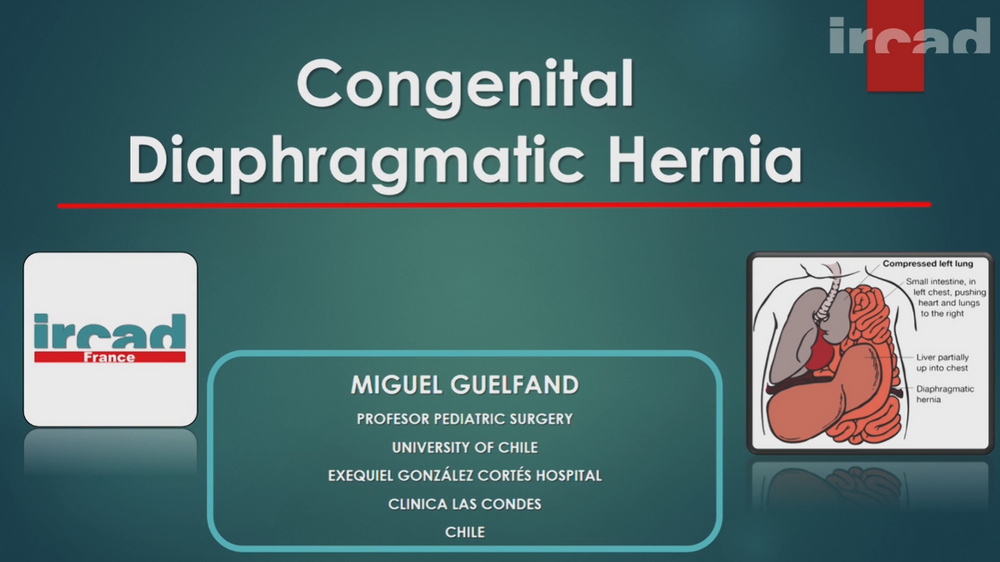
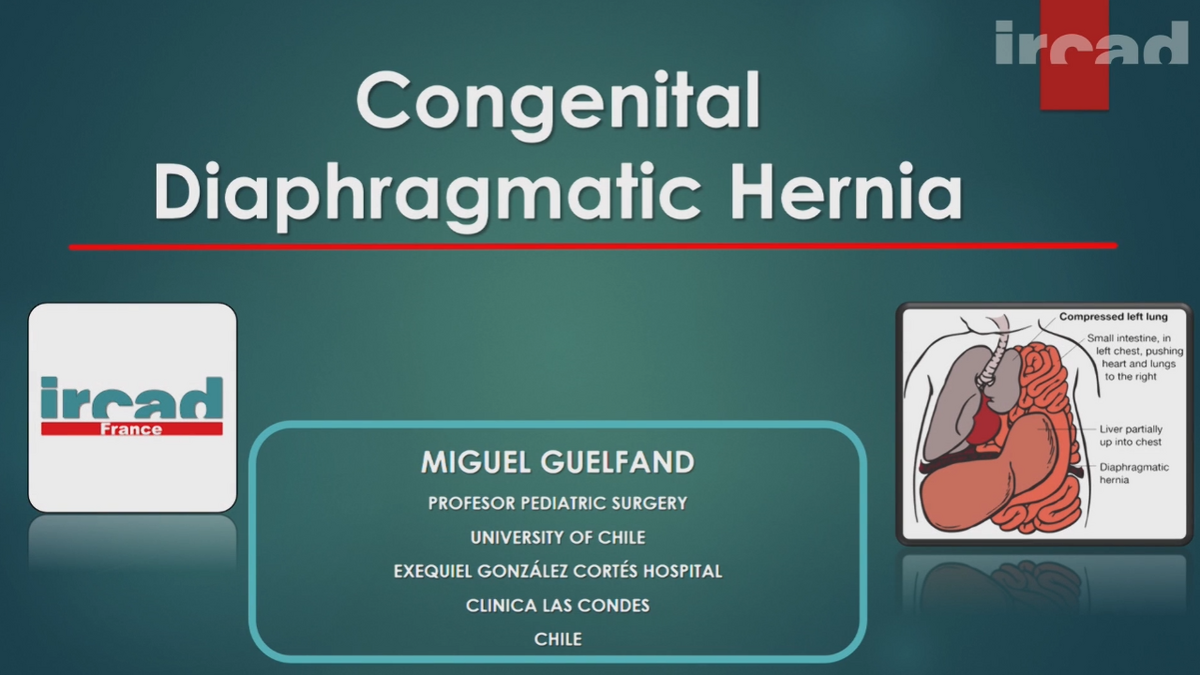
video 1 video 2
-
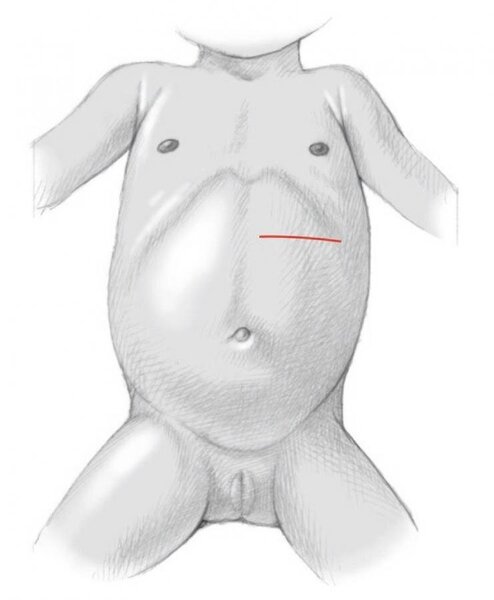
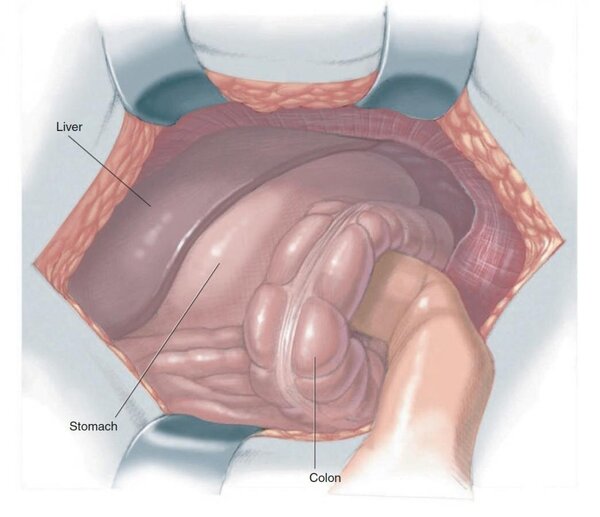
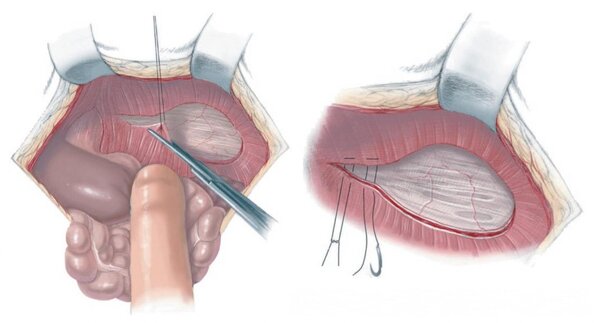
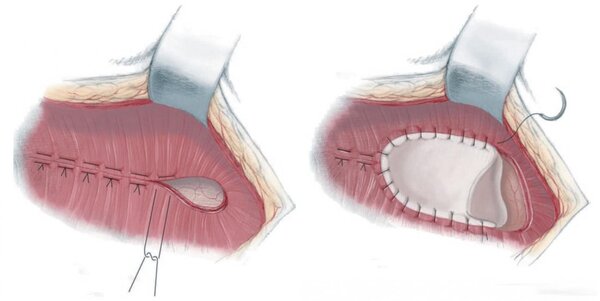
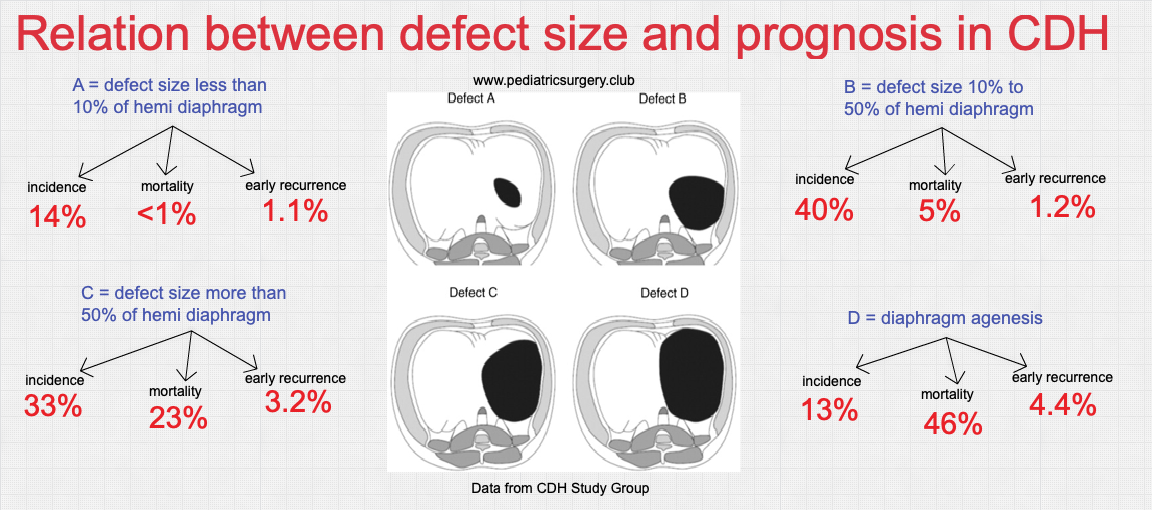
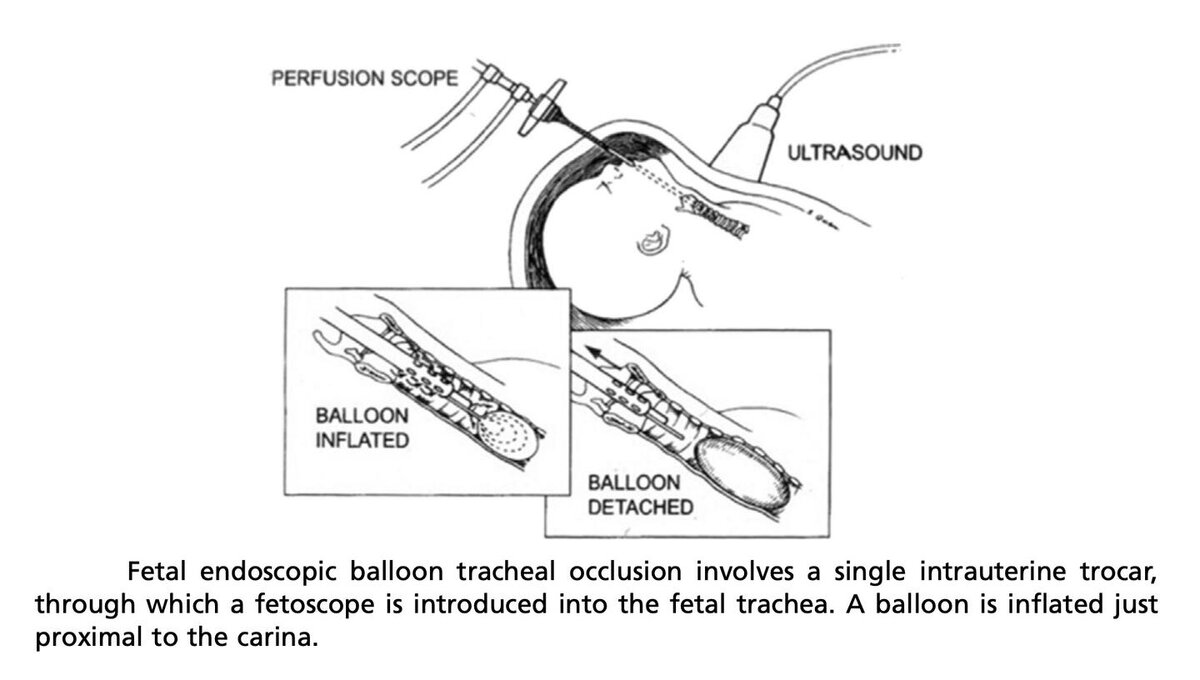
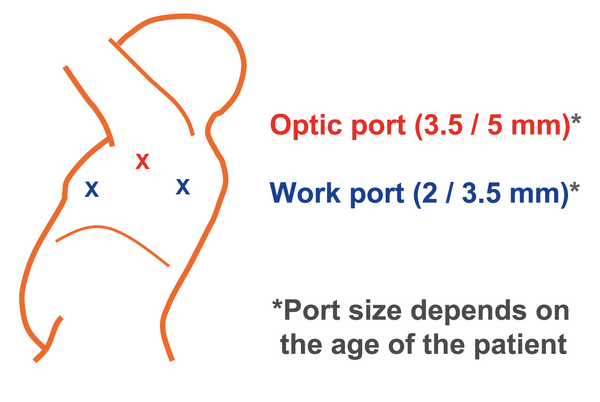
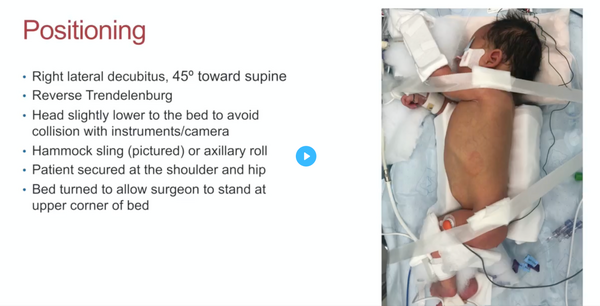
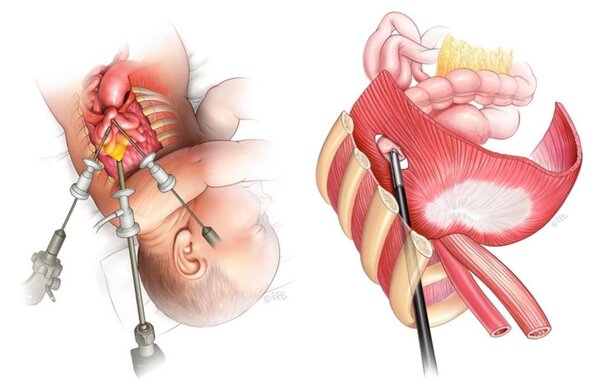
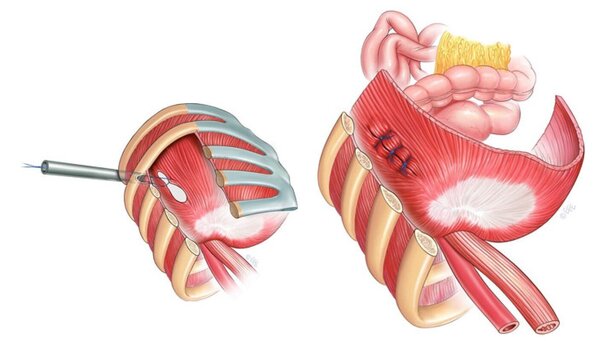
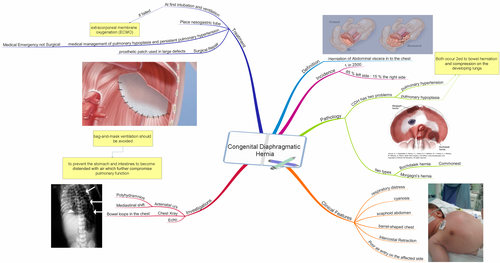 Congenital diaphragmatic hernia mind map HQ PDFQuote from "Pediatric Surgery (Springer Surgery Atlas)" by Prem Puri, Michael E. Höllwarth - "Three easily detectable features—polyhydramnios, mediastinal shift, and the absence of an intra-abdominal stomach bubble—should prompt a more careful search for herniated abdominal organs in the chest. Polyhydramnios is present in about 80% of the pregnancies with fetuses who have CDH and has also been associated with poor outcome. Routine antenatal ultrasound detects approximately 50–85% of cases of CDH. Lung-to-head ratio (LHR), the ratio of contralateral lung area to head circumference, measured by antenatal ultrasound, is used to predict the severity and outcome in CDH and to predict patients with poor outcome for antenatal intervention."


.jpg.2fddb9c2643d4086a053c753bfa166bf.jpg)












Account
Navigation
Search
Configure browser push notifications
Chrome (Android)
- Tap the lock icon next to the address bar.
- Tap Permissions → Notifications.
- Adjust your preference.
Chrome (Desktop)
- Click the padlock icon in the address bar.
- Select Site settings.
- Find Notifications and adjust your preference.
Safari (iOS 16.4+)
- Ensure the site is installed via Add to Home Screen.
- Open Settings App → Notifications.
- Find your app name and adjust your preference.
Safari (macOS)
- Go to Safari → Preferences.
- Click the Websites tab.
- Select Notifications in the sidebar.
- Find this website and adjust your preference.
Edge (Android)
- Tap the lock icon next to the address bar.
- Tap Permissions.
- Find Notifications and adjust your preference.
Edge (Desktop)
- Click the padlock icon in the address bar.
- Click Permissions for this site.
- Find Notifications and adjust your preference.
Firefox (Android)
- Go to Settings → Site permissions.
- Tap Notifications.
- Find this site in the list and adjust your preference.
Firefox (Desktop)
- Open Firefox Settings.
- Search for Notifications.
- Find this site in the list and adjust your preference.