


admin
Administrators
-
Joined
-
Last visited
Everything posted by admin
-
Quote from "Pediatric Surgery (Springer Surgery Atlas)" by Prem Puri, Michael E. Höllwarth - "After the hernia is reduced, an attempt is made to visualize the ipsilateral lung. This is usually done by retracting the anterior rim of the diaphragm. Often, a hypoplastic lung can be observed at the apex. A hernial sac, composed of pleura and peritoneum, is present in about 20% of patients. The sac, if present, is excised to avoid leaving a loculated, space-occupying lesion in the chest" Quote from "Pediatric Surgery (Springer Surgery Atlas)" by Prem Puri, Michael E. Höllwarth - "Usually the anterior rim of the diaphragm is quite evident, but the posterior rim may not be immediately apparent and may require dissection for delineation. The posterior rim of the diaphragm is mobilized by incising the overlying peritoneum" Quote from "Pediatric Surgery (Springer Surgery Atlas)" by Prem Puri, Michael E. Höllwarth - "Using a prosthetic patch to close a defect that is too large to repair by direct suture. Various techniques have been described to close these large defects, including the use of prerenal fascia, rib structures, the latissimus dorsi muscle, rotational muscle flaps from the thoraco-abdominal wall, and prosthetic patches. The operations involving muscle flaps are too long and complex for critically ill patients and can lead to unsightly chest deformities. Prosthetic materials, including Marlex mesh, reinforced silicone elastomer, preserved pericardial heterografts, preserved dura, and the polytetrafluoroethylene patch (PTFE), have been advocated. The most commonly used prosthetic material presently is Surgisis® Soft Tissue Graft (Cook Medical; Bloomington, IN, USA), which is incorporated into adjacent tissue; this tends to lessen the risk of extension or displacement. The risk of infection is also decreased" Quote from "Pediatric Surgery (Springer Surgery Atlas)" by Prem Puri, Michael E. Höllwarth - "After closure of the defect with an open abdominal approach, the abdomen is closed in layers. If the abdominal cavity is small, gentle stretching of the abdominal wall will enable safe closure in most patients."
-
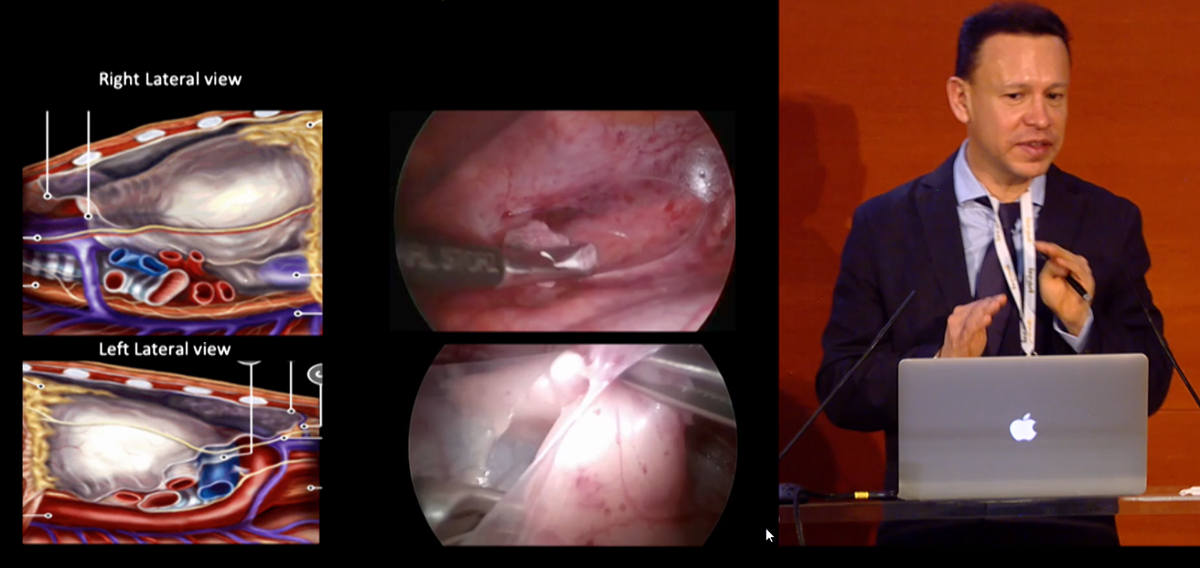
.thumb.jpg.e1469a6b2eb66b03fdcd48e8d4aa4d95.jpg) LAPAROSCOPIC TRACTION FOR THE ABDOMINAL TESTIS Lessons after 5 years lecture
LAPAROSCOPIC TRACTION FOR THE ABDOMINAL TESTIS Lessons after 5 years lecture.PNG.e8bd43d6accf5da562ff67ee1bf12f7f.thumb.png.a8ffb4b3cffe51fd15a1a0232dfdbba2.png) Undescended testis , Guidelines for management lecture
Undescended testis , Guidelines for management lecture Congenital abdominal wall defects lecture
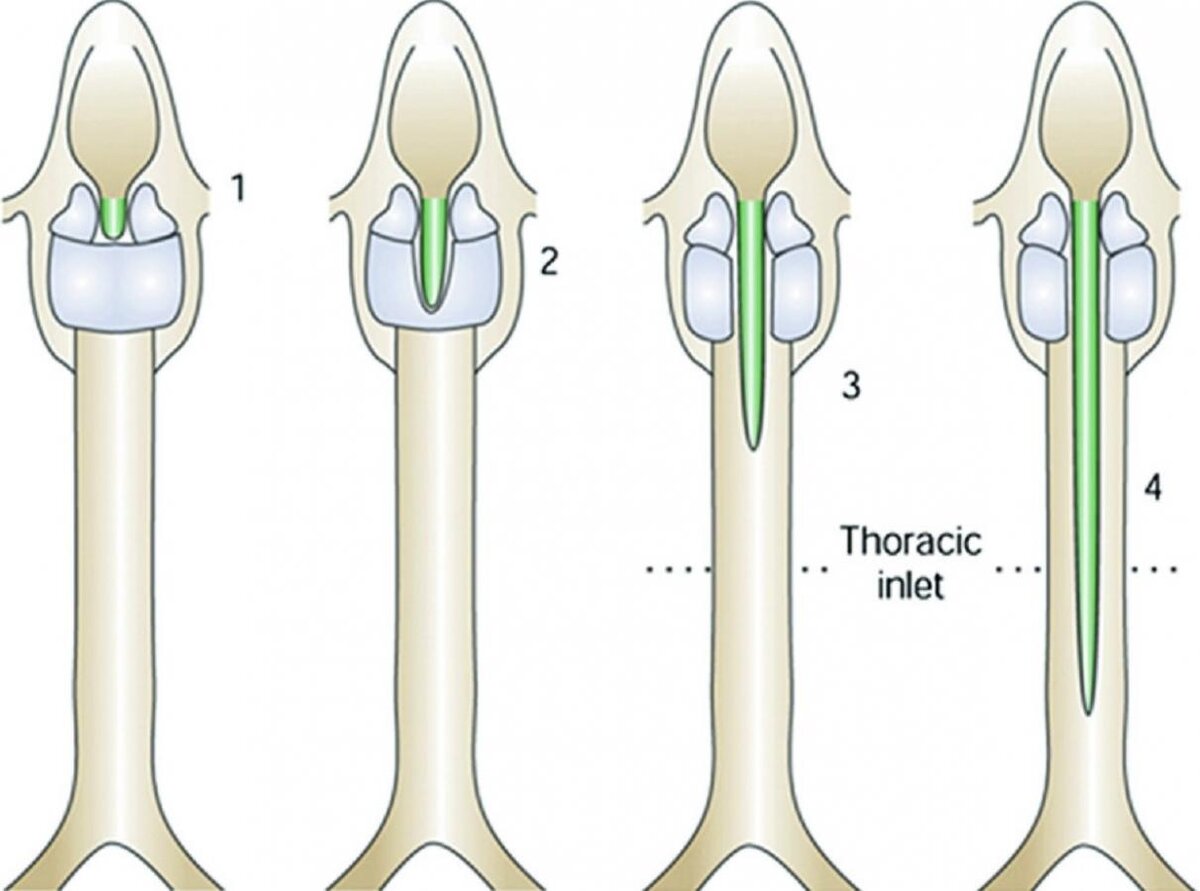
.thumb.PNG.03a3611ab545eac80b4e5058cca57000.thumb.png.058357293e5e41c957acf617c94e215a.png) Spongioplasty in Hypospadias repair lecture
Spongioplasty in Hypospadias repair lecture.thumb.PNG.a255a4b0d0f8de3f54a03830556d1d7c.thumb.png.ef065a2d2e1985a38f73f12fe49fd4a7.png) Pediatric abdominal trauma lecture
Pediatric abdominal trauma lecture Disorders of Sex Development presentation
 A Concise JPS Journal Club Discussion lecture
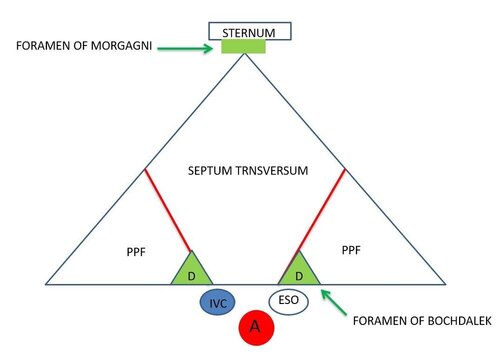 Pediatric Surgical Radiology Lecture
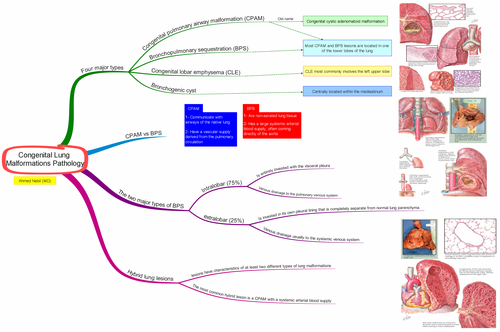 Congenital Lung Malformations Pathology mind map HQ PDF







.PNG.02fd06eb84e40a16b10404aa93b446f8.thumb.png.e037092c3aac3d1bc9cefb515911e271.png)



Account
Navigation
Search
Configure browser push notifications
Chrome (Android)
- Tap the lock icon next to the address bar.
- Tap Permissions → Notifications.
- Adjust your preference.
Chrome (Desktop)
- Click the padlock icon in the address bar.
- Select Site settings.
- Find Notifications and adjust your preference.
Safari (iOS 16.4+)
- Ensure the site is installed via Add to Home Screen.
- Open Settings App → Notifications.
- Find your app name and adjust your preference.
Safari (macOS)
- Go to Safari → Preferences.
- Click the Websites tab.
- Select Notifications in the sidebar.
- Find this website and adjust your preference.
Edge (Android)
- Tap the lock icon next to the address bar.
- Tap Permissions.
- Find Notifications and adjust your preference.
Edge (Desktop)
- Click the padlock icon in the address bar.
- Click Permissions for this site.
- Find Notifications and adjust your preference.
Firefox (Android)
- Go to Settings → Site permissions.
- Tap Notifications.
- Find this site in the list and adjust your preference.
Firefox (Desktop)
- Open Firefox Settings.
- Search for Notifications.
- Find this site in the list and adjust your preference.