


admin
Administrators
-
Joined
-
Last visited
Everything posted by admin
-
-
-
-
-
-
-
-
-
-
-
video 1 video 2 video 3 video 4 video 5 video 6 video 7 video 8
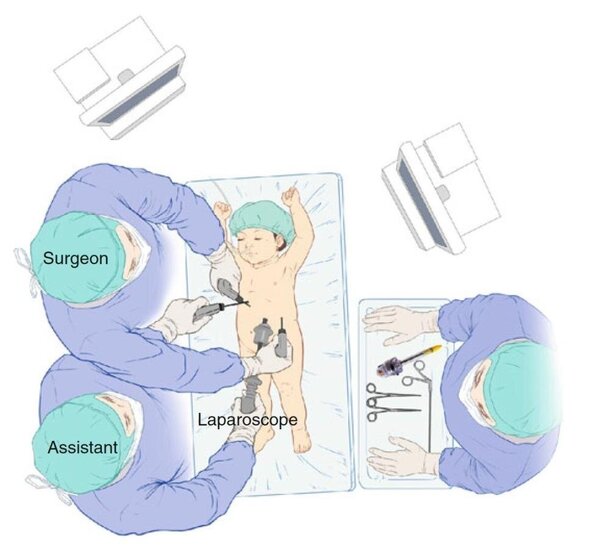
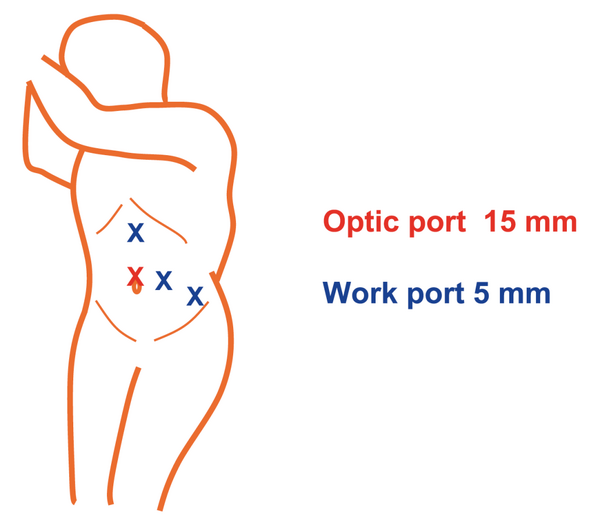
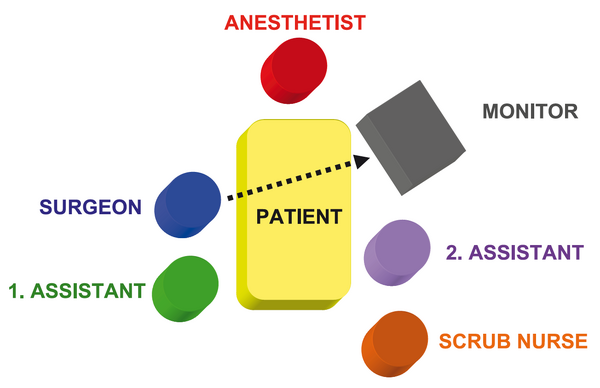
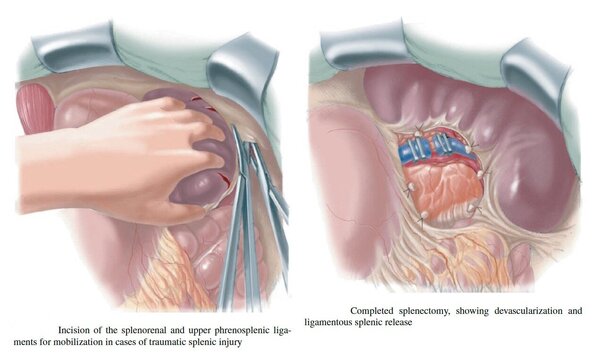
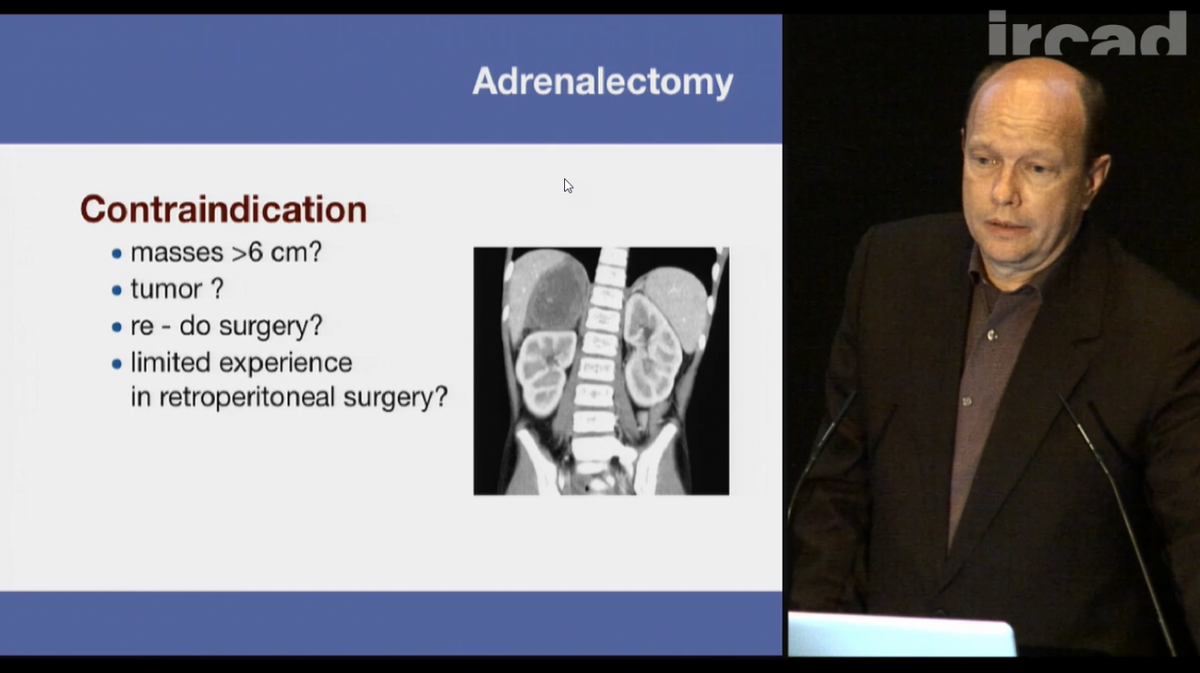
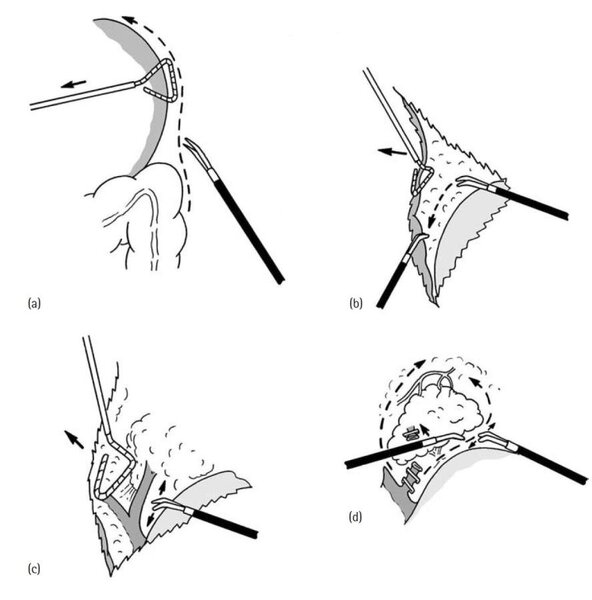
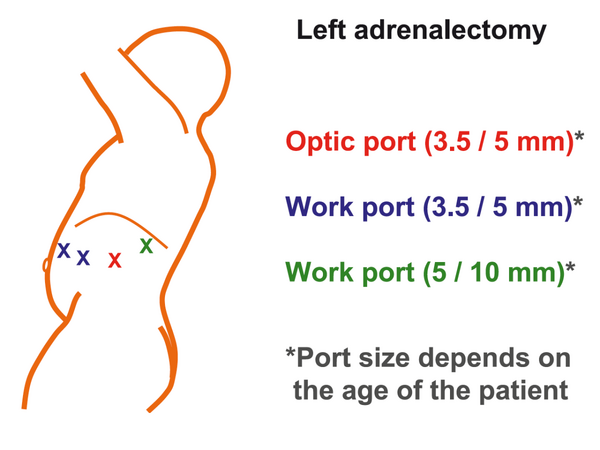
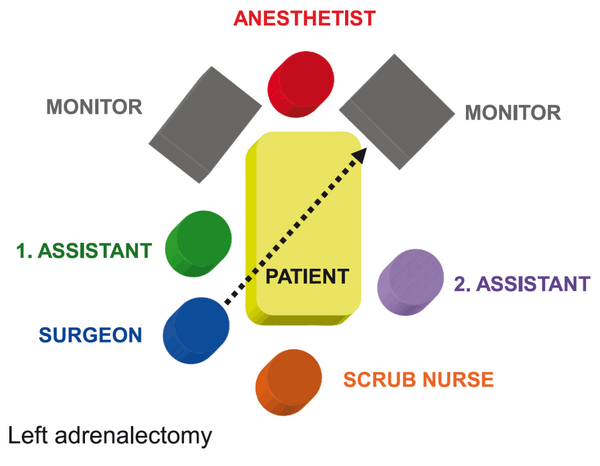
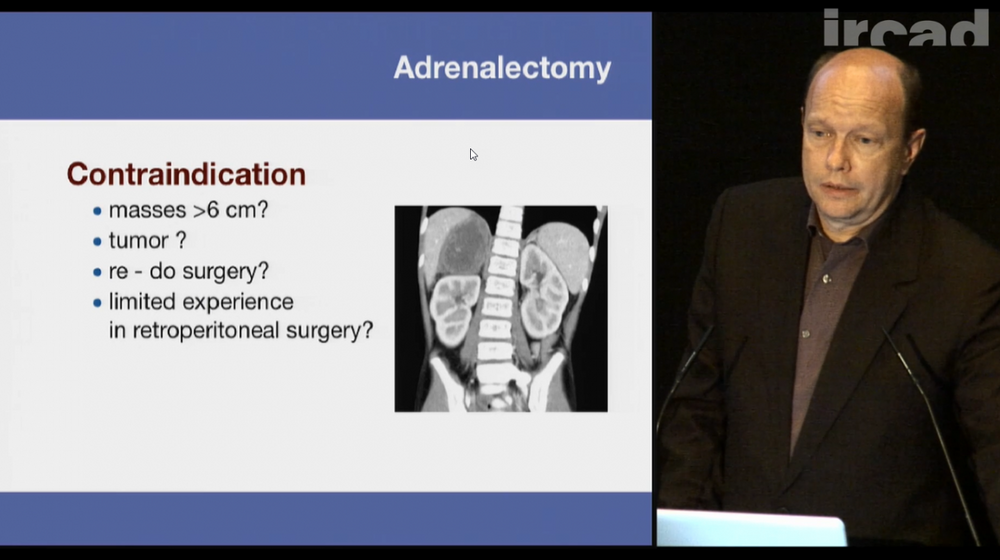 Quote from "ESPES Manual of Pediatric Minimally Invasive Surgery" by Ciro Esposito, François Becmeur, Henri. , Philipp Szavay - "To choose the correct approach, we follow the International Pediatric Endosurgery Group guidelines, which state that only lesions without vascular encasement and adjacent organ involvement and with the greatest dimension <6 cm on preoperative imaging are eligible for the laparoscopic approach [12]."




Account
Navigation
Search
Configure browser push notifications
Chrome (Android)
- Tap the lock icon next to the address bar.
- Tap Permissions → Notifications.
- Adjust your preference.
Chrome (Desktop)
- Click the padlock icon in the address bar.
- Select Site settings.
- Find Notifications and adjust your preference.
Safari (iOS 16.4+)
- Ensure the site is installed via Add to Home Screen.
- Open Settings App → Notifications.
- Find your app name and adjust your preference.
Safari (macOS)
- Go to Safari → Preferences.
- Click the Websites tab.
- Select Notifications in the sidebar.
- Find this website and adjust your preference.
Edge (Android)
- Tap the lock icon next to the address bar.
- Tap Permissions.
- Find Notifications and adjust your preference.
Edge (Desktop)
- Click the padlock icon in the address bar.
- Click Permissions for this site.
- Find Notifications and adjust your preference.
Firefox (Android)
- Go to Settings → Site permissions.
- Tap Notifications.
- Find this site in the list and adjust your preference.
Firefox (Desktop)
- Open Firefox Settings.
- Search for Notifications.
- Find this site in the list and adjust your preference.