

admin
Administrators
-
Joined
-
Last visited
Everything posted by admin
-
-
-
video 1
.jpg.0ca3127bab80ba828f01d7823cc1ed66.jpg)
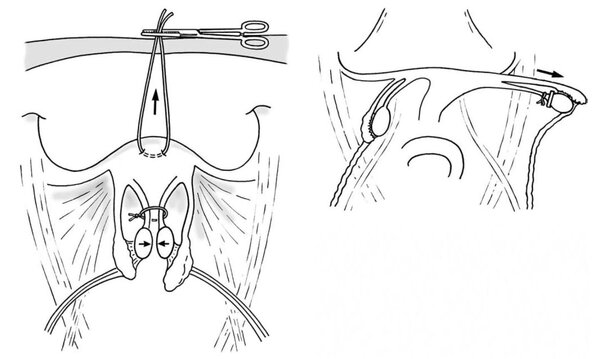
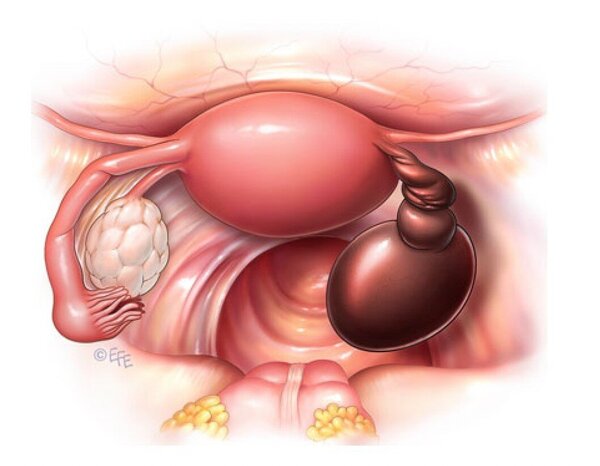
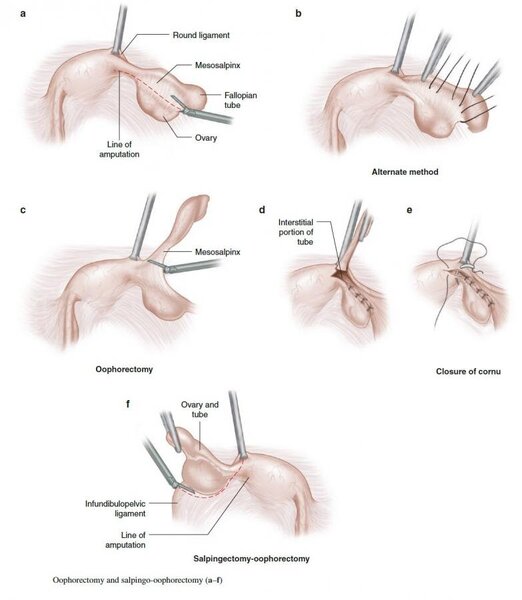
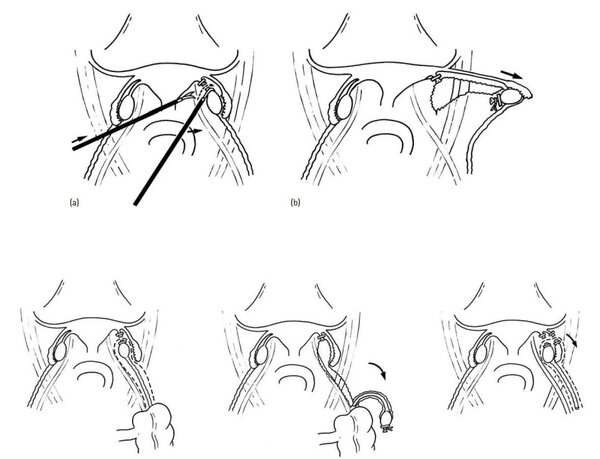
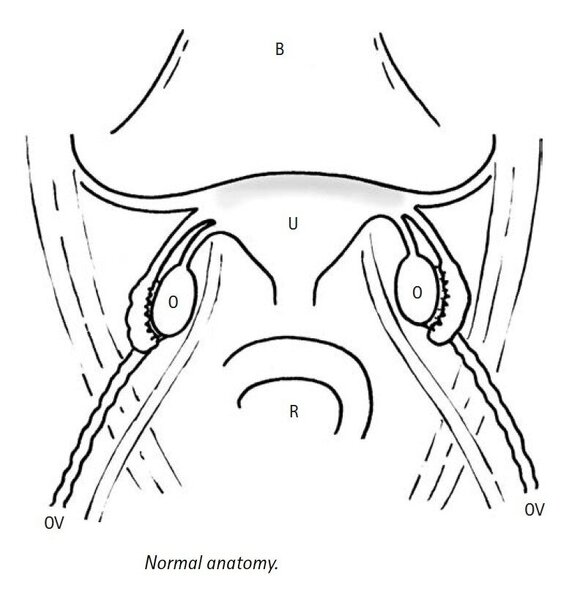 Quote from "The SAGES Manual of Pediatric Minimally Invasive Surgery" by Danielle S. Walsh, Todd A. Ponsky, Nicholas E. Bruns - "There is no good prospective data to support the use of ovariopexy and its practice appears to be surgeon dependent [12]. Some specific situations may warrant ovariopexy, such as patients undergoing pelvic radiation for a malignancy, bilateral torsion, or recurrent ipsilateral torsion may benefit from a pexy procedure. In addition, pexy may be beneficial if torsion occurs on an ovary with a malformed or excessively long utero-ovarian ligament or in a patient with a single ovary. Clipping the utero-ovarian ligament or infundibulopelvic ligament to the pelvic sidewall or posterior uterus may also serve the same purpose as a pexy."
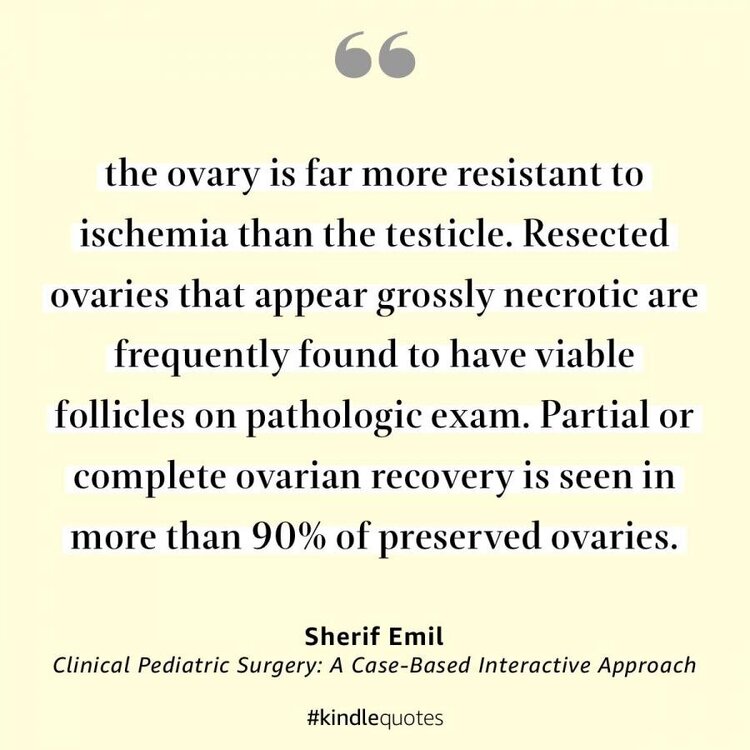
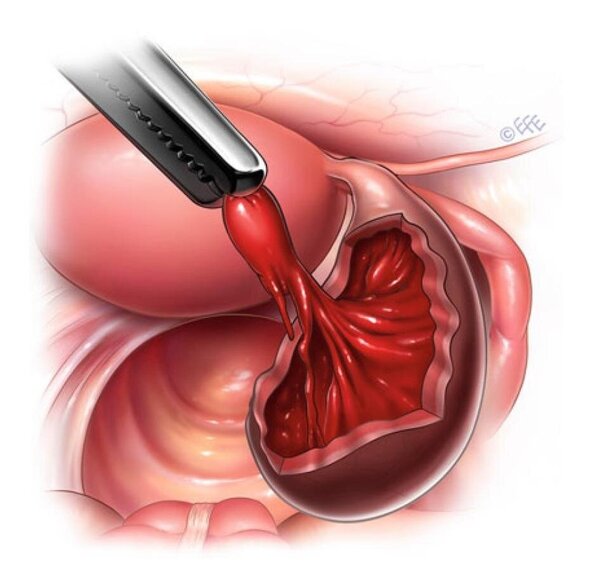
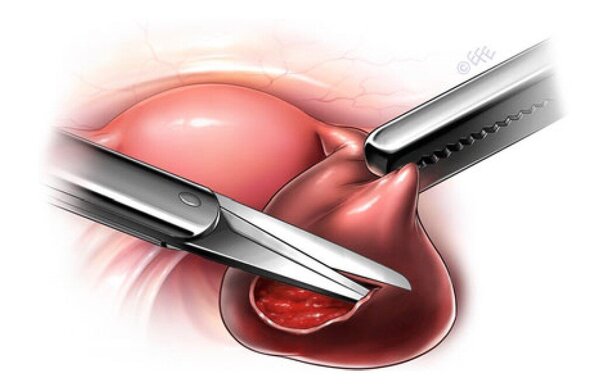
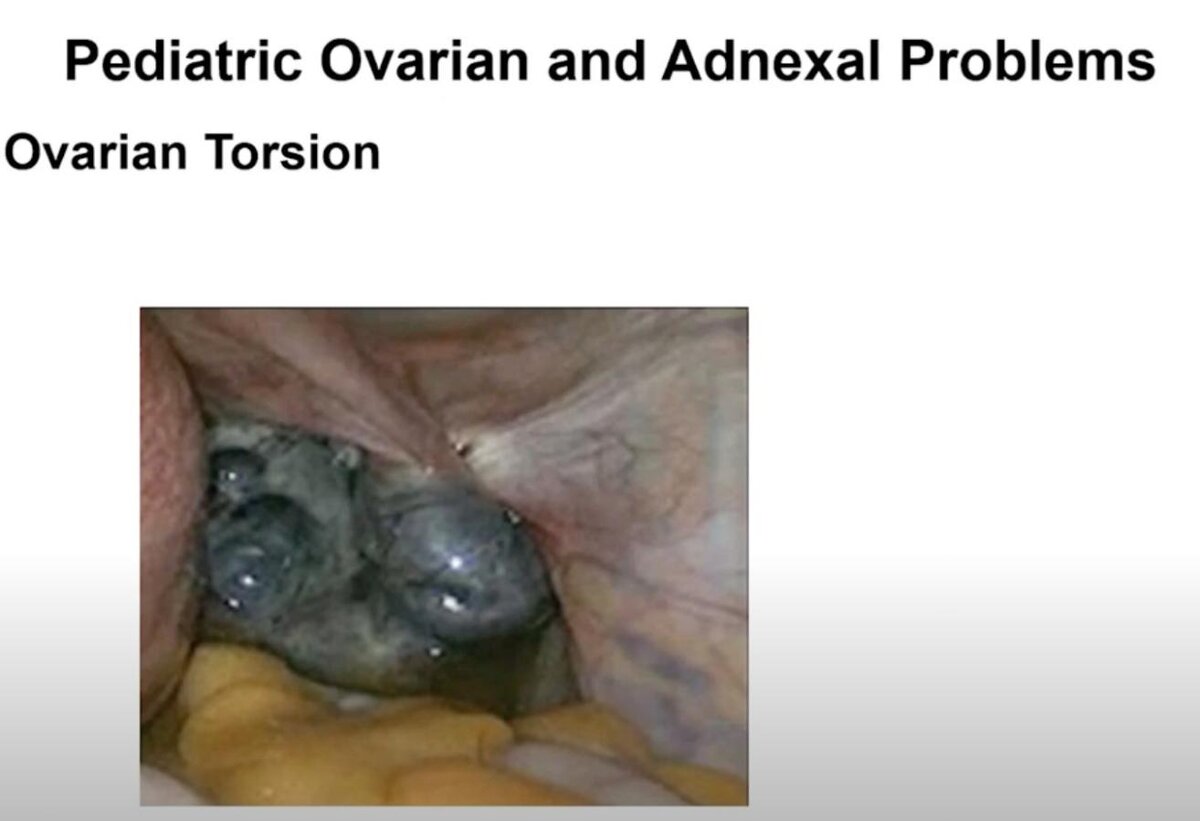
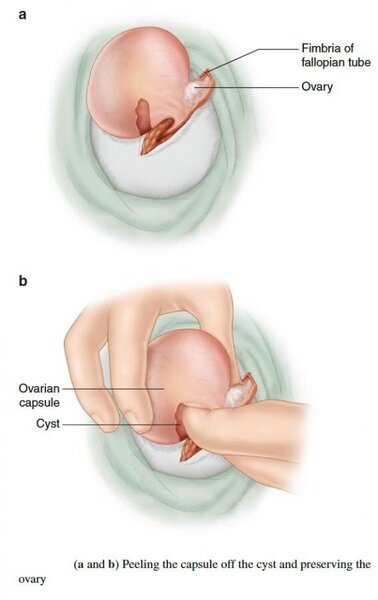
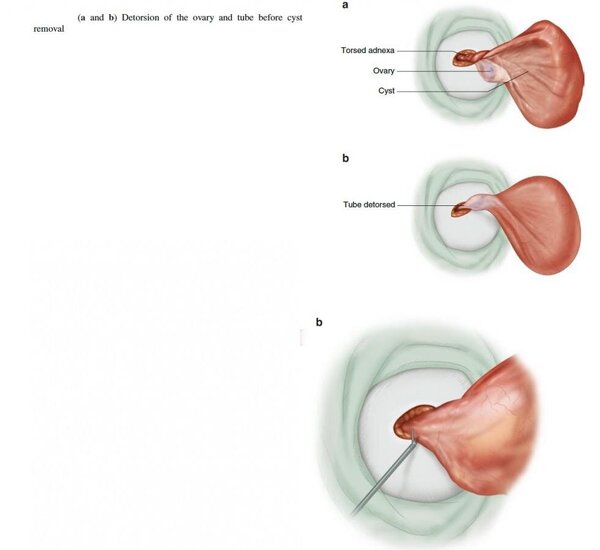
 Quote from "The SAGES Manual of Pediatric Minimally Invasive Surgery" by Danielle S. Walsh, Todd A. Ponsky, Nicholas E. Bruns - "An ovary that does not appear viable after detorsion, if left to remain, can be viable in future US surveillance. At follow-up US, if there is a persistent mass, then removal may be warranted and is still a consideration" Quote from "The SAGES Manual of Pediatric Minimally Invasive Surgery" by Danielle S. Walsh, Todd A. Ponsky, Nicholas E. Bruns - "The lesion must be thoroughly examined and its borders identified. Blunt retractors are used to detorse the ovary and ensure the vascular pedicle is no longer twisted. Ovarian preservation is preferred, so leaving an ovary that appears necrotic or may have an associated mass is acceptable at the time of detorsion"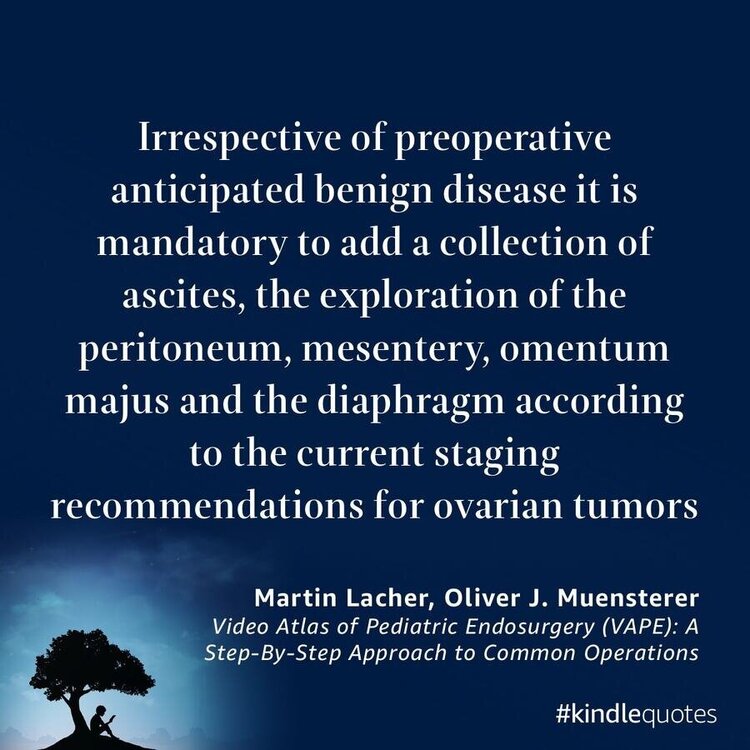
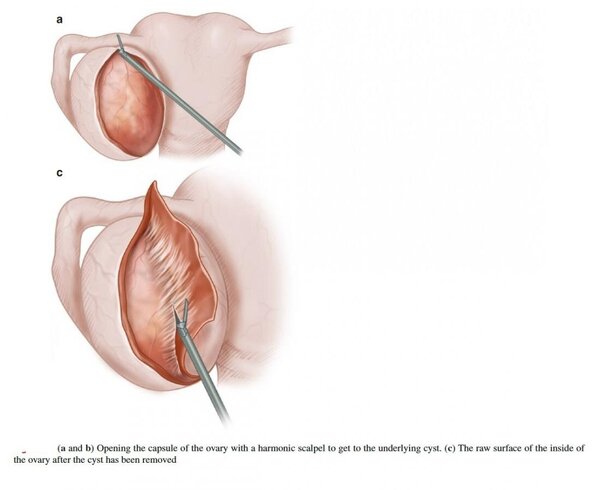
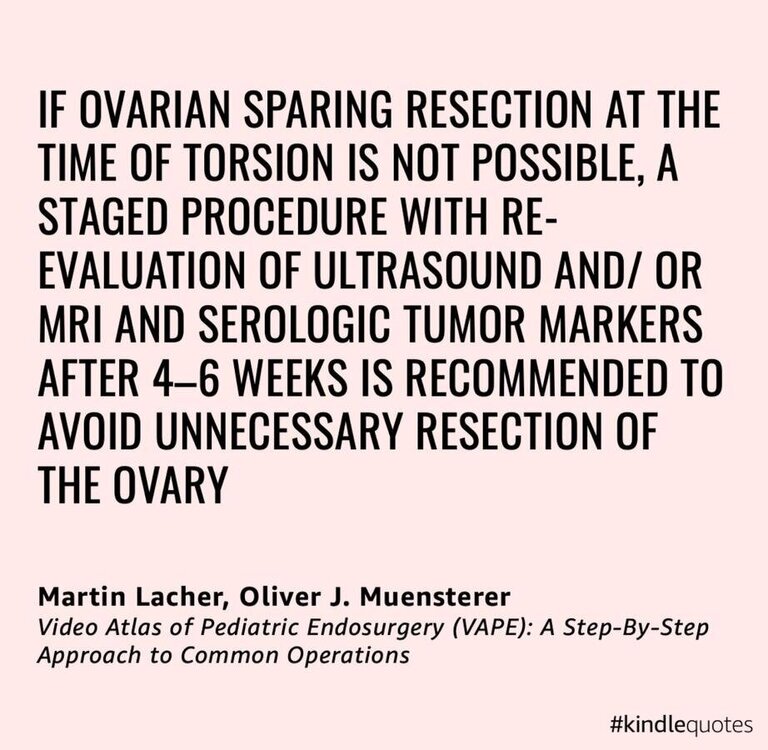 Quote from "ESPES Manual of Pediatric Minimally Invasive Surgery" by Ciro Esposito, François Becmeur, Henri Steyaert, Philipp Szavay - "The torsion rate increased with size from 0% in cysts <20 mm to 33% in cysts >50 mm. In between 0 and 40 mm, there is a higher rate of spontaneous resolution, and the median time to postnatal resolution was 10 (5–27) weeks in those treated conservatively [2]. Other publications suggest a similar pattern of spontaneous resolution [3]. So, it is recommended a conservative approach and postnatal ultrasound monitoring. Those cysts which exceed 5 cm and do not shrink postnatally may require surgical treatment [4]." Quote from "ESPES Manual of Pediatric Minimally Invasive Surgery" by Ciro Esposito, François Becmeur, Henri Steyaert, Philipp Szavay - "prenatally simple cysts can be managed expectantly, as complicated cysts have to be operated. In older girls, cyst greater than 50 mm in diameter has a great chance of torsion, and laparoscopy is indicated."