admin
Administrators
-
Joined
-
Last visited
Everything posted by admin
-
quote from "Pediatric Surgery (Springer Surgery Atlas)" by Prem Puri, Michael E. Höllwarth - "Generally speaking, a child over 1 year of age with a testicular mass and an elevated AFP can be assumed to have a yolk sac tumour."
-
quote from "Pediatric Surgery (Springer Surgery Atlas)" by Prem Puri, Michael E. Höllwarth - "Most testicular tumours present as a painless, hard mass, though rarely they may present with pain related to an acute bleed. On physical examination, a mass that cannot be separated from the testis is assumed to be a testis tumour until proven otherwise. Ultrasound is very helpful in making this distinction when the physical examination is unclear. Rarely, testis tumours may present with a reactive hydrocele. If a hydrocele is large and firm enough to preclude palpation of the testis, an ultrasound should be obtained."
-
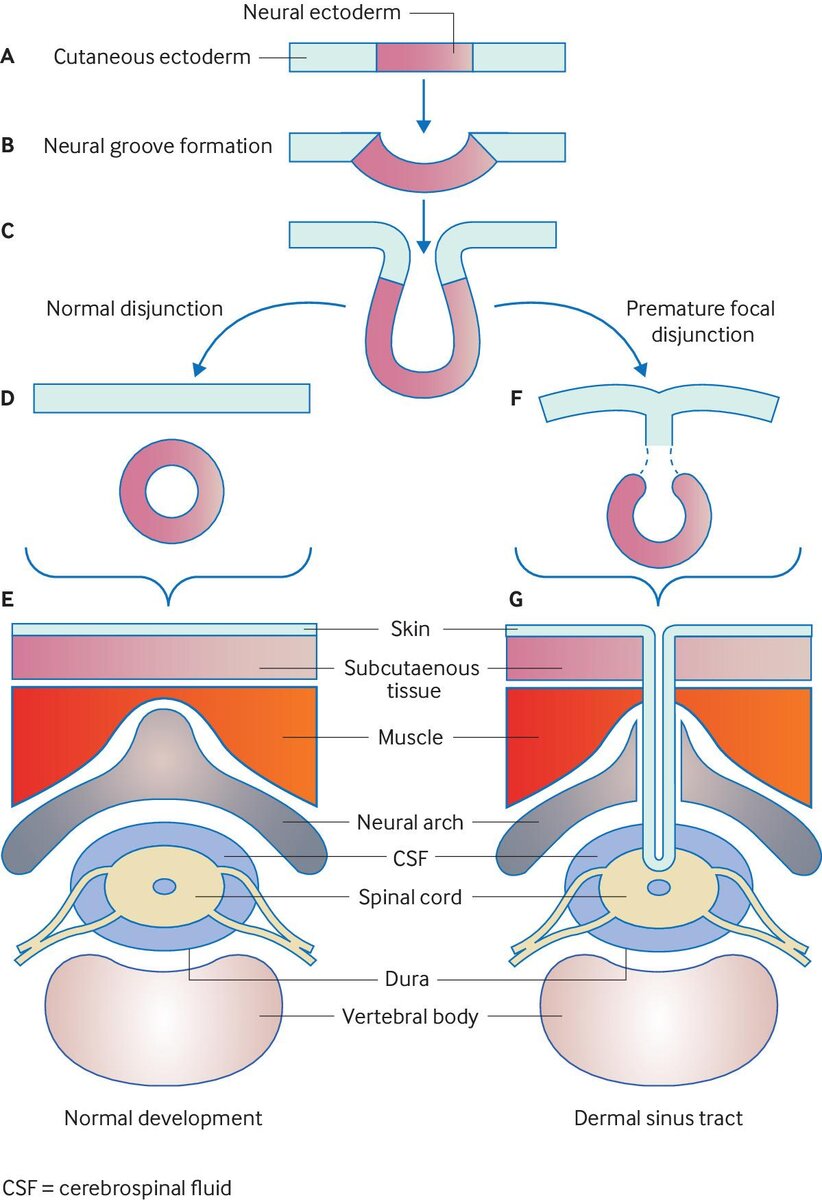
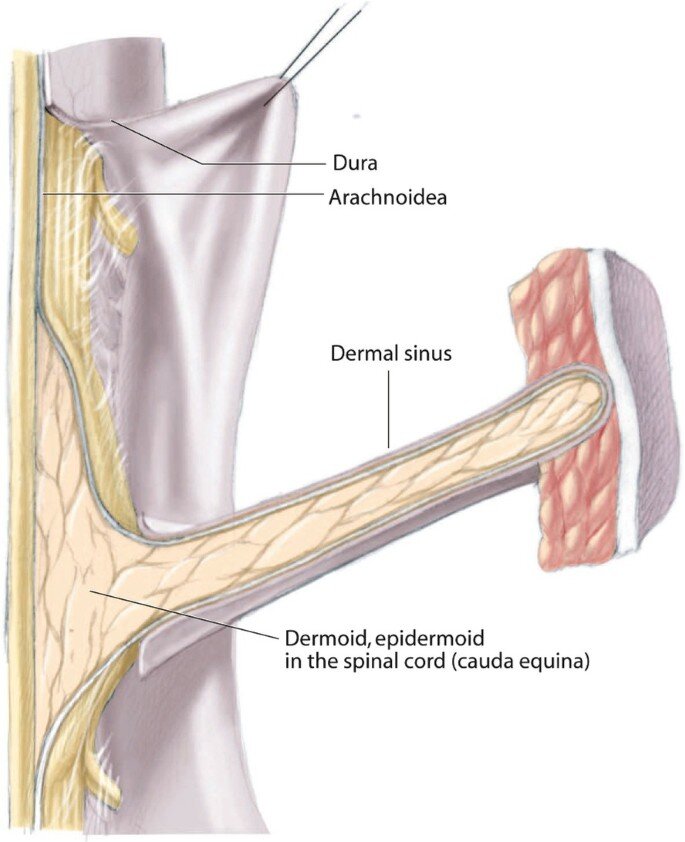
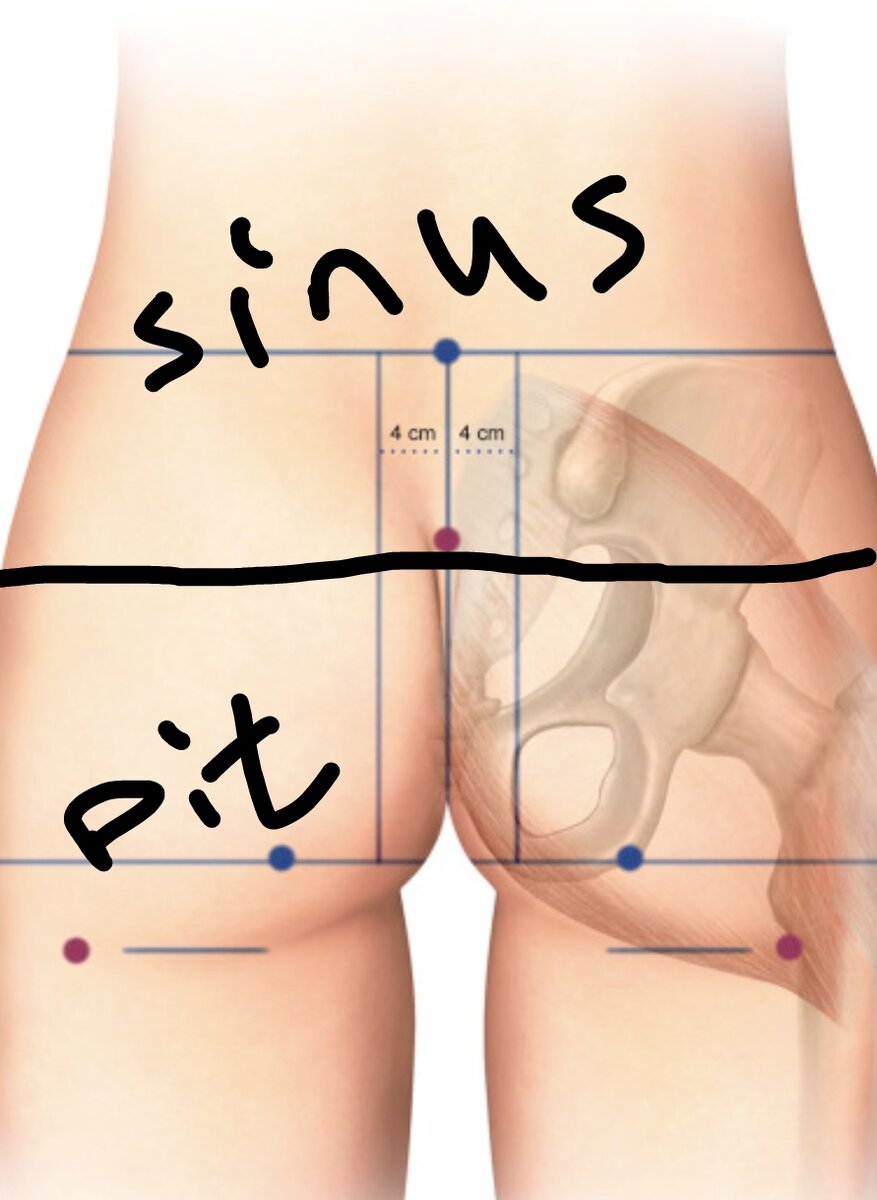
Did you get your pro membership subscription? https://pediatricsurgeryclub.com/subscriptions/ If you get it and still have issue, please report back.quote from "Pediatric Surgery (Springer Surgery Atlas)" by Prem Puri, Michael E. Höllwarth - "These lesions are best resected within the first 24 h after birth, because the gut is usually not colonized in the first 24 h, reducing the risk of infection if the field is contaminated by stool during the resection. Perioperative antibiotics are given immediately before surgery commences and continued for 24–48 h postoperatively."quote from "Pediatric Surgery (Springer Surgery Atlas)" by Prem Puri, Michael E. Höllwarth - "An abdominal ultrasound will determine the size and consistency of any pelvic or abdominal component. It may be necessary to fill the bladder with water to allow it to be used as a sonic window. MRI should clearly distinguish between sacrococcygeal teratoma and anterior meningocele, and may be able to detect the occasional extension of the tumour through the sacral hiatus into the spinal canal."Quote from "Pediatric Surgery (Springer Surgery Atlas)" by Prem Puri, Michael E. Höllwarth - "Dermal sinuses must be differentiated from benign coccygeal pits, which end blindly and never extend intraspinally, and therefore do not require further imaging evaluation or treatment. Dermal sinus tracts are found above the natal cleft and are usually directed superiorly. By comparison, coccygeal pits are found within the natal cleft, below the top of the intergluteal crease, with a tract extending either straight down or inferiorly. Coccygeal pits occur over the lower sacrum and coccyx and are anatomically located below the level of the subarachnoid space. They are encountered in nearly 5% of newborns, and although they are present from birth, they rarely manifest themselves before adult life. In later years, these small pits or dimples may become pilonidal sinuses or abscesses."
until
On Tuesday 13/1, European Society for Paediatric Gastroenterology, Hepatology and Nutrition (ESPGHAN) Webinar - Designing and interpreting clinical trials in paediatric GI: unique challenges and opportunities. Presented by Morris Gordon, UK. This webinar is part of the Young ESPGHAN Webinar Series. Starting at 4 pm GMT , 6 pm Cairo time Registerthrough the link; https://zoom.us/webinar/register/WN_7QHT4YyUTtOjvfQUnCUahg#/registrationuntil
On Wednesday 29/4, Surgery - Radiology - Pathology Rounds with The Montreal Children's Hospital sponsored by The Henderen Project. Starting at 12 pm GMT , 2 pm Cairo time Register through the link: https://us02web.zoom.us/webinar/register/WN_NbRmPi8sRnq0dJj-wF192g#/registrationuntil
On Wednesday 28/ 1, An ERN eUROGEN ERNICA webinar on “Adrenal cysts”. Presented by Hans Langenhuijsen & Nikola Knezevic. Startingat 4 pm GMT, 7 pm Cairo time Register through the link: https://events.zoom.us/e/view/fxdjQ6XLTYiZcKAgcxU8VQ/purchaseuntil
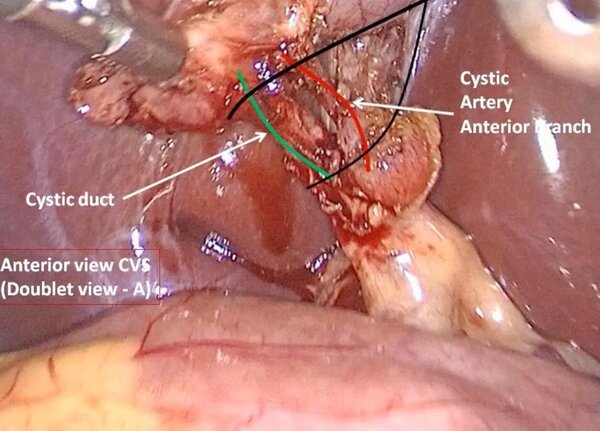
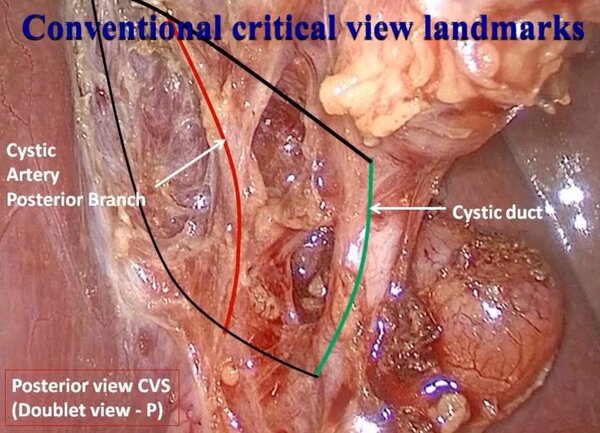
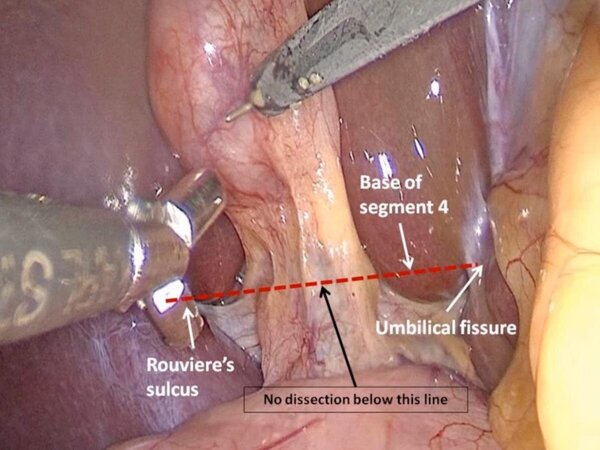
On Thursday 29/1, The monthly international colorectal web meeting by Colorado children’s hospital sponsored by The Henderen Project Starting at 3 pm GMT , 5 pm Cairo time Register through the link; https://www.hendrenproject.org/case/about-international-colorectal-web-meetings Another year comes to an end and PSC is still up. we hope you have a cozy time. If you should celebrate later or something else or not at all then just have a few nice days anyway. Happy 2026 and thanks for being here at PSCSAGESThe SAGES Safe Cholecystectomy Program - Strategies for M...This article shows 6 strategies surgeons can employ to adopt a universal culture for safe cholecystectomy and minimize the risk of bile duct injury.Please take care, This is unfortunate and highlights the importance of obtaining a critical view before clipping and taking down any structure. WhatsApp Video 2025-12-16 at 13.10.23.mp4

Account
Navigation
Search
Configure browser push notifications
Chrome (Android)
- Tap the lock icon next to the address bar.
- Tap Permissions → Notifications.
- Adjust your preference.
Chrome (Desktop)
- Click the padlock icon in the address bar.
- Select Site settings.
- Find Notifications and adjust your preference.
Safari (iOS 16.4+)
- Ensure the site is installed via Add to Home Screen.
- Open Settings App → Notifications.
- Find your app name and adjust your preference.
Safari (macOS)
- Go to Safari → Preferences.
- Click the Websites tab.
- Select Notifications in the sidebar.
- Find this website and adjust your preference.
Edge (Android)
- Tap the lock icon next to the address bar.
- Tap Permissions.
- Find Notifications and adjust your preference.
Edge (Desktop)
- Click the padlock icon in the address bar.
- Click Permissions for this site.
- Find Notifications and adjust your preference.
Firefox (Android)
- Go to Settings → Site permissions.
- Tap Notifications.
- Find this site in the list and adjust your preference.
Firefox (Desktop)
- Open Firefox Settings.
- Search for Notifications.
- Find this site in the list and adjust your preference.